
Autumn has arrived and it won’t be long before strong gales sweep the country, claiming weak and vulnerable trees and damaging others.
If you haven’t already done so, now is a good time to inspect the trees in your garden to ensure they are healthy and do not pose a danger to people or property.
Many tree diseases can be treated successfully with early intervention and the right care and attention.
Pests and diseases not only threaten the survival of your tree but can also make it structurally weak and dangerous – especially in high winds.
Below are some of the most common reasons why tree surgeons are called out each winter. If you notice any of the symptoms on your own trees, ensure you seek timely expert advice to give your tree the best chance of rejuvenation.
1.
Honey fungus is a frequent problem and often spells the end of a tree’s life. The fungus usually enters the tree through a wound and generally targets trees that are already weakened or in poor health.
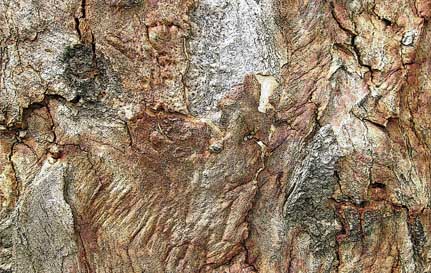 To find out whether your tree is affected by honey fungus, peel away the bark of a small section of root. Trees infected with honey fungus will have a creamy white substance that smells of mushrooms sitting underneath the bark.
Different species of tree cope differently with the fungus and varieties of yew, oak and beech show a higher level of tolerance. Trees which are severely affected should be removed.
2.
An increasing number of homeowners are seeking help for deteriorating acers. Problems being reported include browning leaves and general ill-health.
One of the possible causes is verticillium wilt – a fungus which initially affects the roots before spreading to the leaves and across the canopy.
One of the ways to spot the fungus is to cut a branch. Affected trees will show green or brown staining in the newest layers of wood. Unfortunately, there is no cure and the tree will need to be removed.
3.
Many species of conifer hedging such as leylandii are suffering brown leaves and die back, most likely caused by the Cypress aphid.
If this seems familiar, then don’t carry out autumn pruning, as this will only worsen the problem. Long spells of warm weather this autumn is believed to have increased the population of this insect and their food source is typically most species of Leylandii.
The problem can be controlled with insecticide sprays but aphid attacks have been responsible for the death of some hedges.
4.
Every year, squirrels cause untold problems to trees by gnawing away at the branches to get to the sap filled layers beneath the bark. This tissue plays an important function by distributing sugars around the tree.
If a squirrel gnaws a complete ring around the stem then the movement of sugars around the plant will cease and the tree will die. Removal of any area of bark will also restrict growth and the health of a tree.
Open wounds also make the tree susceptible to insect invasion and fungus. It is possible to purchase anti-squirrel collars which stop them climbing into the canopies of a tree but they have little effect if other trees are present nearby to act as bridge.
 5.
5.
Ash dieback is a serious disease affecting ash trees which is caused by a fungus called Chalara fraxinea. The disease results in premature leaf loss and crown dieback in affected trees and is mostly fatal.
The problem is responsible for significant ash loss within the UK and has also caused damage to populations across Europe. The disease is thought to have spread via wind and possibly the movement of logs from infected trees. There is no known cure but research is ongoing to find a possible treatment.
I hope this article has helped give you an insight into the most serious problems that could affect your trees this year. If you are in any doubt about symptoms or treatment, consult the experts.
